My Story
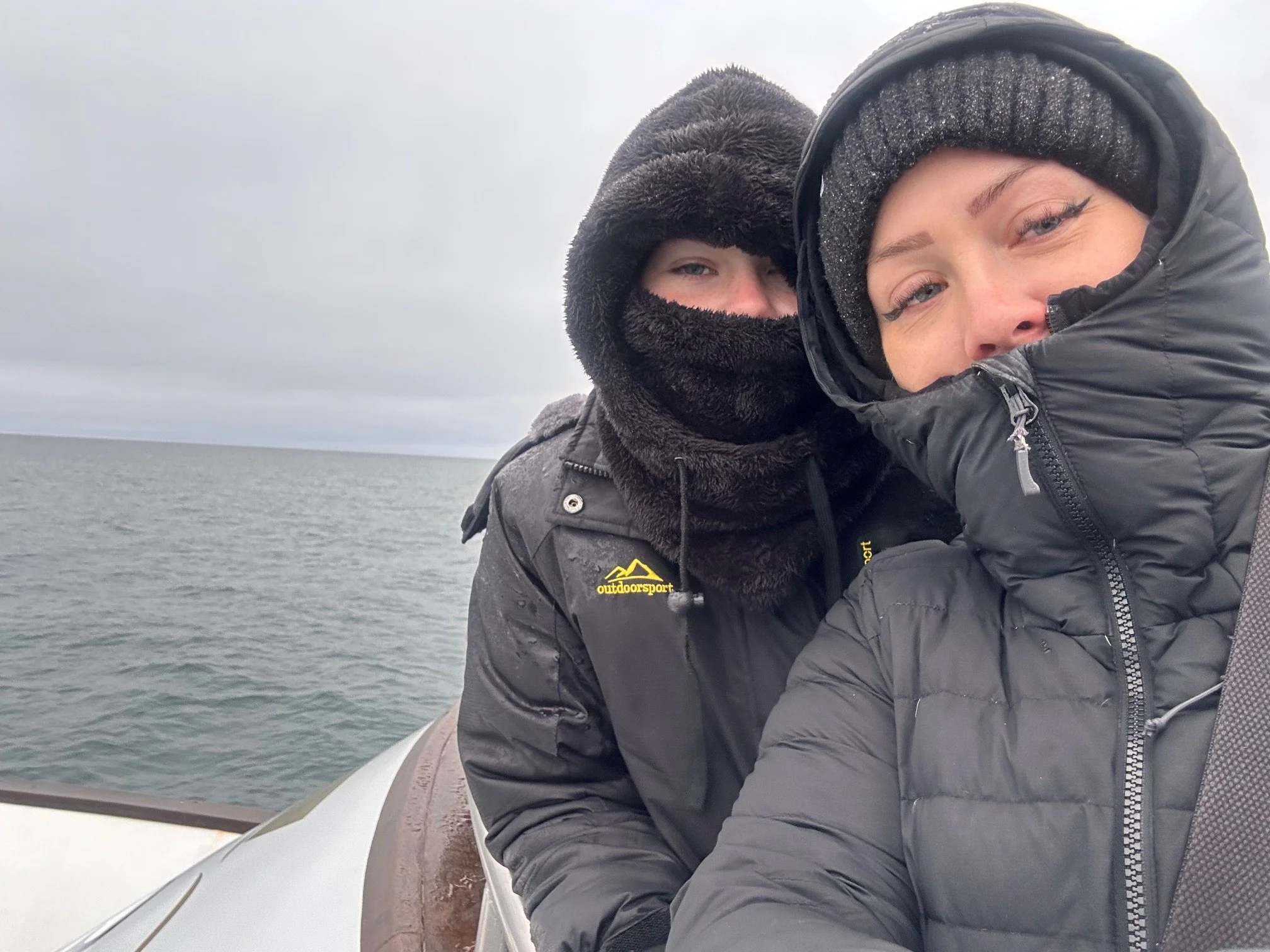
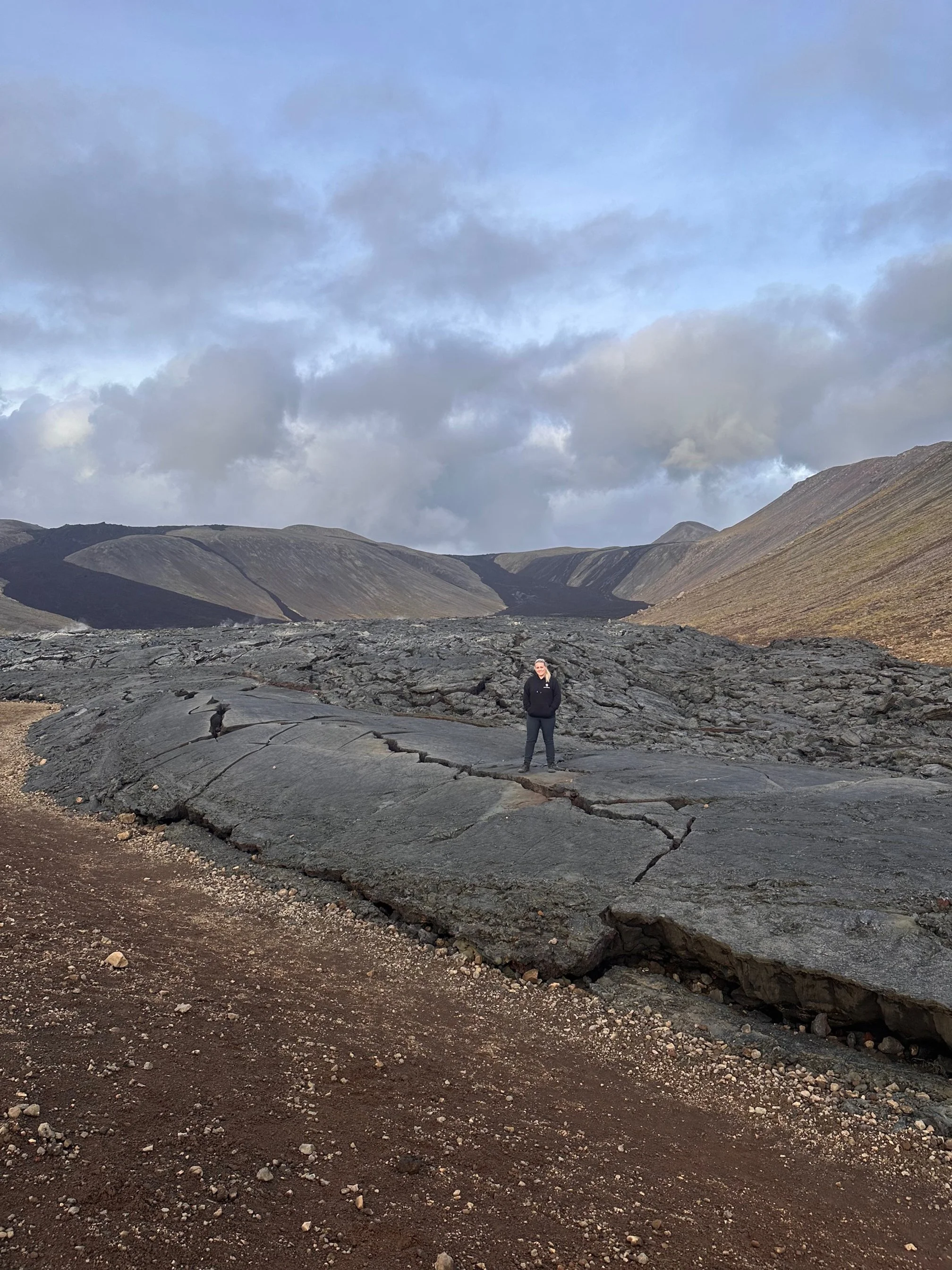
I’m Natalie Middleton, a herbal medicine student based in Dorset, with a slightly unusual route into plants.
Before herbal medicine, my working life took me through the Army, frontline healthcare, engineering and technical roles. I’ve always been drawn to practical work; understanding how things work, solving problems and learning by doing rather than simply reading about them.
My years working in healthcare also made me increasingly curious about what happens before someone reaches crisis point. I became interested in the wider picture of health, the patterns that develop over time, the importance of prevention, and how people can be supported to understand and take a more active role in their own wellbeing.
Herbal medicine gradually brought those interests together. I’m particularly interested in the meeting point between traditional plant knowledge, modern science and direct experience with plants. I grow many of the herbs I study, make preparations from them and enjoy following a plant from cultivation and harvest through to medicine making and Materia medica.
The Herbal Medic originally began as a place to organise and share my studies. It has since grown into my own evolving Materia medica, bringing together plant profiles, botany, phytochemistry, traditional uses, medicine making, cultivation and what I learn through working with the plants themselves.
I’m currently training with The Plant Medicine School, working towards becoming a community herbalist. My longer-term aim is to practise professionally and gradually develop The Herbal Medic into a sustainable herbal practice and business.

Taking Ownership of Health
I believe most of us are capable of far more than we think when it comes to our own well-being, not through perfection or restriction, but through attention and accountability.
That means learning to recognise what your body is asking for:
What energises you (and what quietly drains you)
What your digestion, sleep, skin, mood, and stress response are trying to tell you
What “normal” has become, just because you’ve lived with it for years
This isn’t about rejecting conventional medicine. It’s about building foundations early, so we rely less on quick fixes later, and stay stronger, more independent, and more resilient for longer.
Natalie Middleton - Less “quick fix”. More “why is this happening?” This is about understanding what your body’s signalling and strengthening the basics, food, gut function, stress, sleep, movement, before problems become your normal.
The Gut, Mind Connection
One of the strongest patterns I’ve seen, both clinically and personally, is how often well-being begins in the gut.
Digestion, inflammation, mood, brain fog, anxiety, fatigue, skin flare-ups, they can be deeply connected to:
what we eat
how we eat
what we tolerate
and how our nervous system is coping behind the scenes
When the gut is supported, people often feel it everywhere: clearer, steadier, calmer, stronger.
-
Herbs are powerful, so safety matters. Some herbs can interact with medicines or be unsuitable in pregnancy/breastfeeding or certain conditions. Always check with a qualified practitioner or pharmacist, and don’t stop prescribed medication without medical supervision.
-
It’s no secret the NHS is overstretched, and appointments can be short and reactive. My approach is collaborative, not anti-medicine, and focuses on taking ownership of health early, by strengthening foundations like digestion, sleep, stress, nutrition, and movement before things escalate.
-
I focus on responsible foraging, correct ID, clean locations, light harvesting, and respect for protected species. When wild harvest isn’t appropriate, I’ll point to reputable, sustainably sourced options..
Living Well, Without the Extremes
Health doesn’t need a strict plan or a perfect routine. It’s the day-to-day choices that keep you resilient, eating in ways that support steady energy, moving enough to stay strong and capable, and managing stress before it becomes burnout.
And yes, that still leaves room for real life: a cheeky pint, steak and chips, or that chocolate cake you can’t stop thinking about. The aim isn’t to be “good”, it’s to feel better more often, recover quicker when life gets messy, and stay strong, clear, and independent for longer.