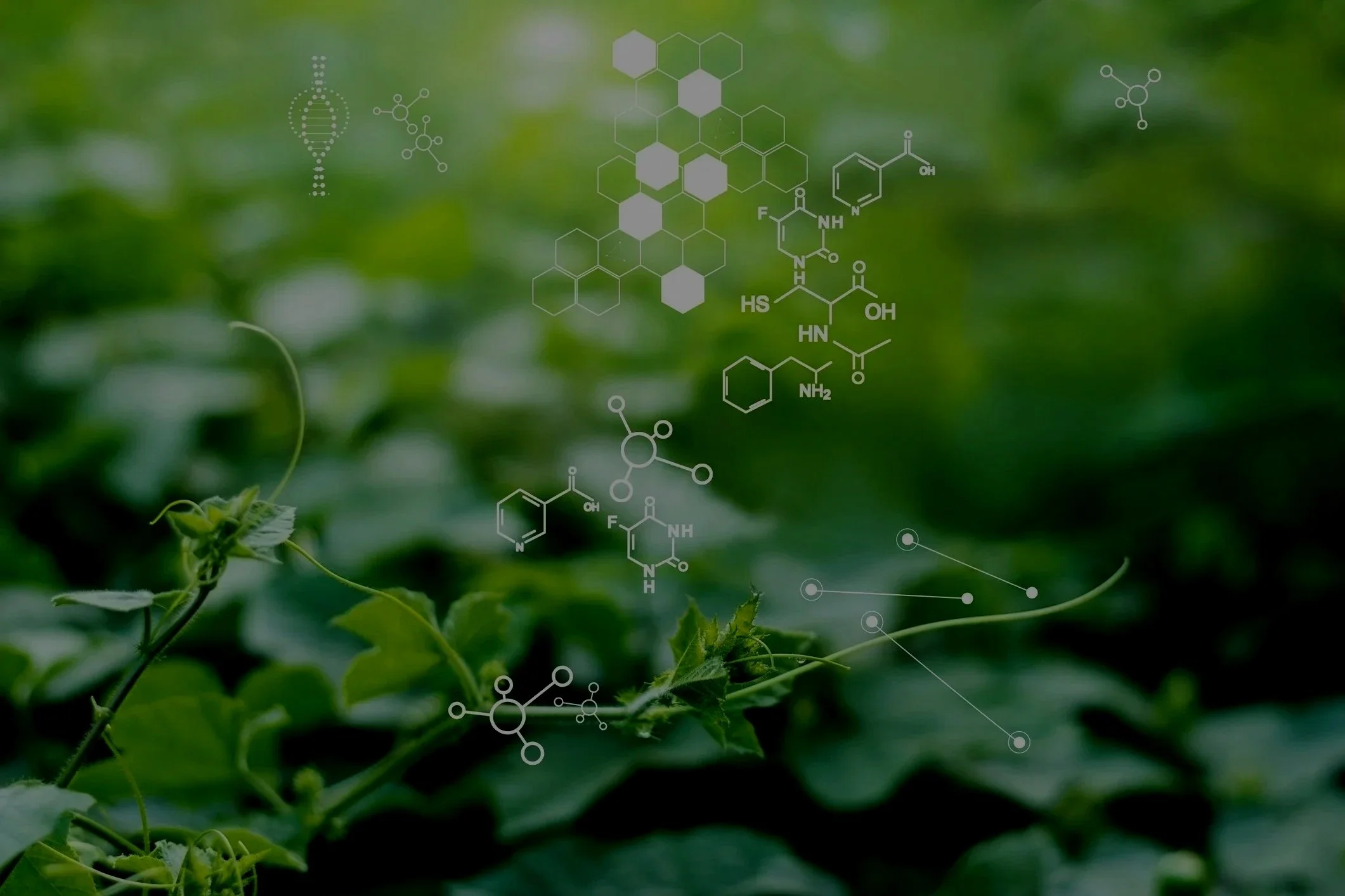
The Herbal Chemistry Hub
This Chemistry Hub brings the core science behind herbal medicine into one place. It introduces functional groups, carbon skeletons and key plant constituents such as polyphenols, terpenes and alkaloids, and shows how they shape the behaviour of medicinal herbs. Topics are broken into short sections with clear diagrams, 3D models you can spin, and revision-friendly explanations that link structure to herbal actions and clinical use.
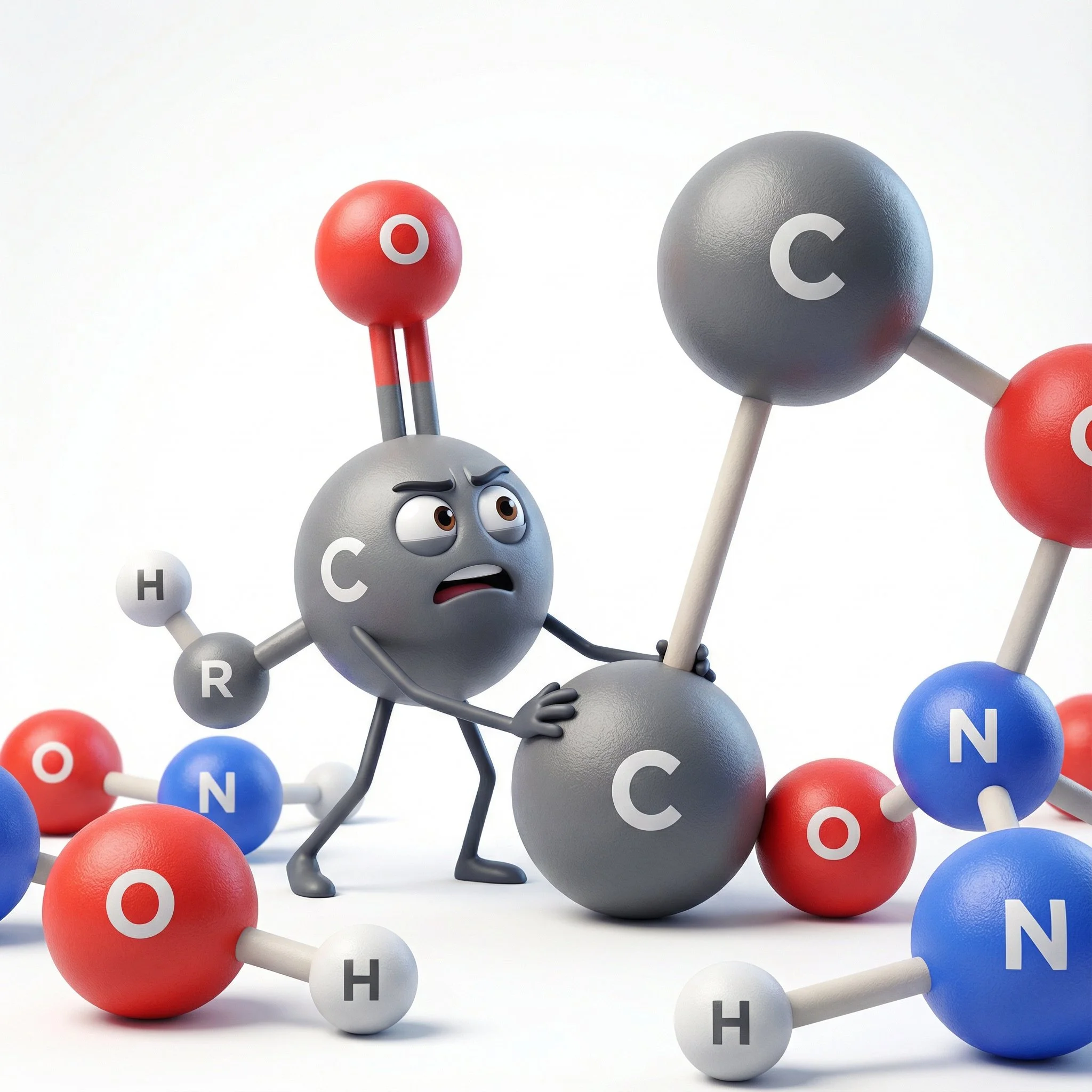
Some pages use character-based visuals and memory hooks to make structures easier to recall, but the chemistry is grounded in current phytochemistry texts and primary sources. All content is for educational and herbal study purposes only and is not a substitute for personalised medical advice, diagnosis, or treatment.
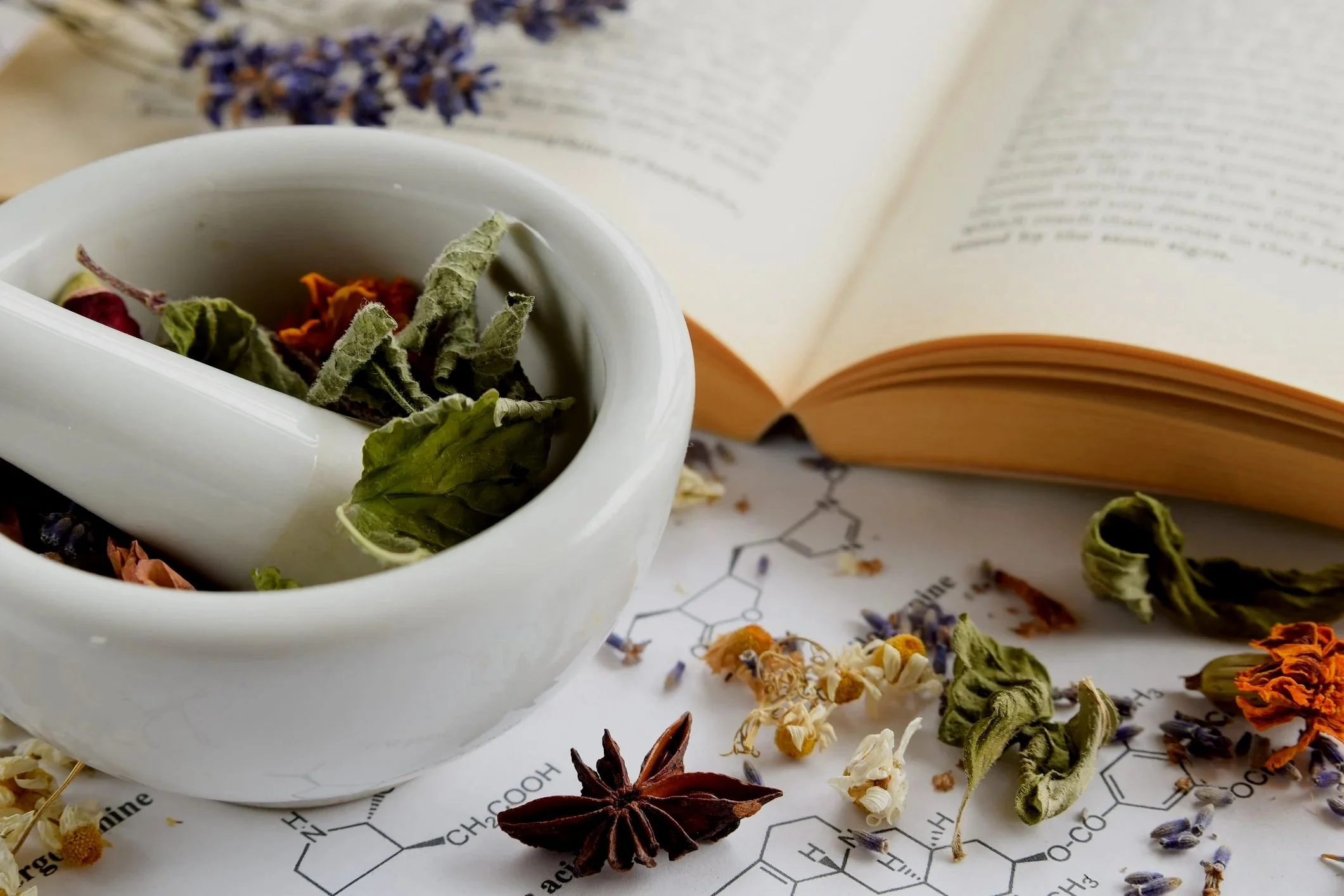
The Herbal MedicFor thousands of years, people have used plants as medicine long before anyone could draw a benzene ring. Modern phytochemistry now explains why those remedies work, linking traditional herbal practice with the chemistry of tannins, essential oils and other key plant constituents.
The Functional Groups
Functional groups are the features on a molecule that determine how it behaves, its reactivity, acidity or basicity, solubility and overall “personality”. Recognising these groups is essential for understanding both core organic chemistry and how plant constituents behave in herbal medicine. In this section, I’ve paired clear explanations with a few slightly odd, light-hearted visuals so they can double as revision aids when you’re trying to recall them under exam pressure.
Chemical Constituents of Medicinal Plants
More herbal constituents coming soon
🌱
More herbal constituents coming soon 🌱
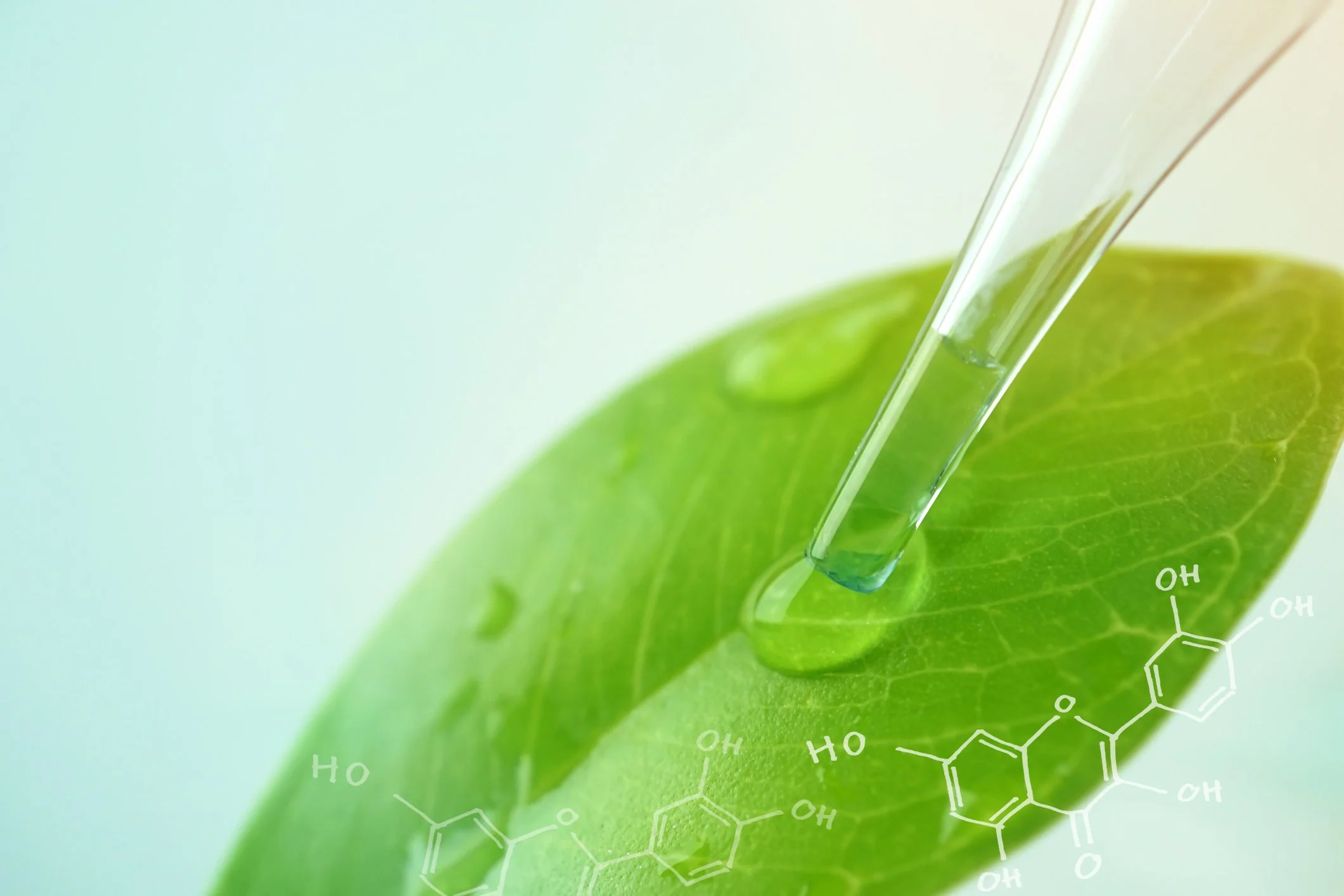
Explore the key chemical constituents found in medicinal plants.
Use the 3D models to spin, zoom, and get a feel for its shape while you learn how it shows up in herbs and traditional herbal practice.